Free from PalCare
Home safety checklist
A room-by-room check to help someone stay safe and independent at home. Mark each question Pass, Risk or N/A, add notes as you go, then print it or save it as a PDF.
Your answers are saved on this device only, so you can come back to them. Nothing is sent to PalCare.
01 / 05
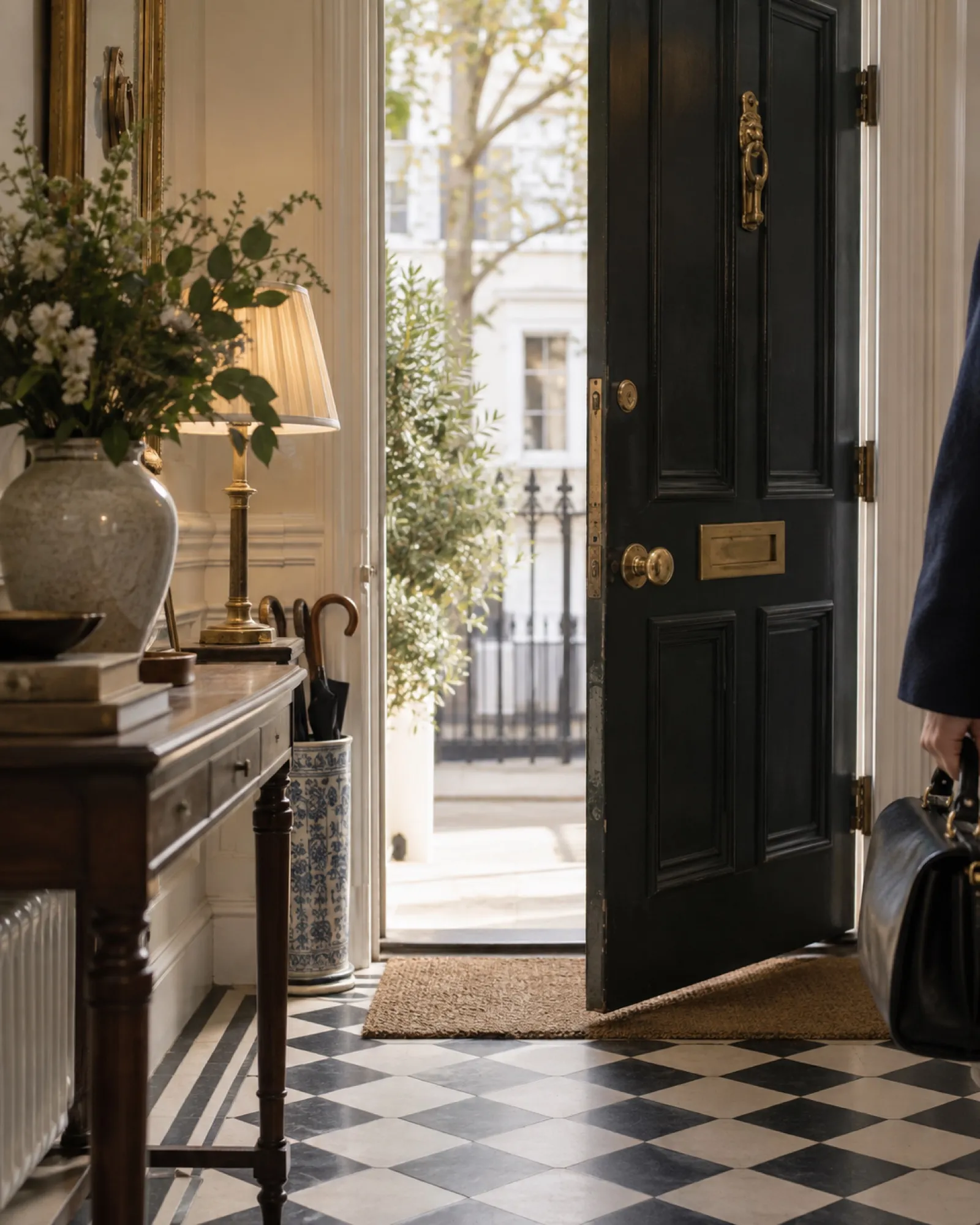
Entrance and hallways
Paths, steps and doorways are where people move between outside and in, often carrying bags or using a walking aid. Look for anything that could cause a trip or a slip.
-
01Are outside paths, steps and porches free of moss, loose gravel and uneven paving?
-
02Is there good lighting at the front and back doors, so steps and keyholes are easy to see after dark?
-
03Are hallways clear of clutter, furniture and trailing wires?
-
04Are door thresholds low and flat enough not to catch feet or a walking aid?
-
05Is there somewhere safe by the door to put down keys, bags and parcels?
-
06Is there a working smoke alarm on every floor, and is it tested regularly?
02 / 05
The living room
Living rooms are used all day, and familiar furniture and rugs can hide trip hazards. Clear walking routes and steady seating help someone move around safely.
-
07Are loose rugs removed, or held down with a non-slip backing?
-
08Is furniture arranged so there are wide, clear routes to walk through, with room for a walking frame if one is used?
-
09Are chairs and sofas a good height, with firm armrests to help with standing up?
-
10Are extension leads and TV cables kept along the skirting boards, not across walkways?
-
11Are everyday things, such as the remote, phone and glasses, within easy reach of the main chair?
03 / 05
The kitchen
The kitchen brings together moving around, heat, heavy objects and spills. Keeping everyday things within easy reach makes it safer to keep cooking independently.
-
12Are everyday items, such as crockery, tins, tea and coffee, stored between hip and chest height, so there’s no need to climb or bend low?
-
13Is the kettle light and easy to pour, switching itself off when it boils? Or is there a kettle tipper or hot water dispenser, so a full kettle doesn’t need lifting?
-
14Are floors kept dry, with spills wiped up straight away?
-
15Are the cooker controls clearly marked and easy to reach, and is it easy to tell when the hob or oven is on?
-
16Is there a fire blanket or a suitable fire extinguisher within easy reach of the cooking area?
-
17If there’s a gas cooker, boiler, fire or other fuel-burning appliance, is there a working carbon monoxide alarm in that room?
04 / 05
The bathroom
Wet, hard floors and stepping in and out of the bath or shower make falls more likely in the bathroom. A few simple fixtures can make it much safer.
-
18Are grab rails fitted firmly by the toilet and by or in the bath or shower?
-
19Is there a non-slip mat or non-slip strips in the bath or shower?
-
20Is hot water to the bath and shower controlled by a thermostatic mixing valve, so it can’t come out hot enough to scald?
For vulnerable people in care settings, the Health and Safety Executive says bath and shower water should not be hotter than 44°C.
-
21If getting up from a low seat is hard, is there a raised toilet seat or a toilet frame?
-
22Is there a shower chair or bath seat, so washing can be done sitting down?
05 / 05
The bedroom
Getting up in the night means low light, tiredness and sometimes dizziness. A lit, clear route and a bed at the right height help prevent falls at night.
-
23Is there a steady bedside lamp, or a motion-sensor night light, that can be reached without getting out of bed?
-
24Is the bed a good height, so feet rest flat on the floor when sitting on the edge?
-
25Is there a clear route from the bed to the toilet, with a light that’s easy to switch on?
-
26Is a phone, personal alarm (such as a pendant or lifeline alarm) or another way to call for help within reach of the bed?
Action plan
What to fix first
Start with the things that matter most, and note who will sort each one and by when. Anything you’ve marked Risk is listed here too.
Marked Risk
Nothing marked Risk yet.
This checklist is a general guide to common hazards at home. It isn’t a professional assessment and doesn’t replace advice from an occupational therapist, GP or other professional.
Getting help with what you find
Some fixes are quick. For others, there’s free help available.
Equipment and adaptations
Ask your local council’s adult social care team for a needs assessment. It’s free, and anyone can ask for one. In England, equipment and minor adaptations costing under £1,000, such as grab rails, are free if the council assesses that they’re needed.
NHS guide to home adaptationsFire safety
London Fire Brigade’s online Home Fire Safety Checker gives advice for your home, and arranges a free home visit if you’re eligible.
Use the Home Fire Safety CheckerFalls
If someone has had a fall, or is worried about falling, talk to their GP. The NHS has practical advice on preventing falls at home.
NHS advice on preventing fallsWorried about someone at home?
Three short steps. We’ll call you back and talk through the support that could help.